Showing 97–112 of 780 results
-
£12.50 – £55.00Price range: £12.50 through £55.00
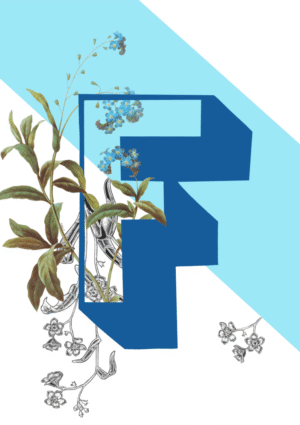
F is for Forget-me-not. Their real name is Mysotis. However their colloquial name Forget-me-not was adopted long ago around 1398 through Henry IV of England from the German Vergissmeinnicht. Unsurprisingly these flowers symbolise memories and faithful love. The Botanical Alphabet is inspired by old scientific botanical illustrations and categories of olden day Explorers and Naturists….
-
£12.50 – £55.00Price range: £12.50 through £55.00
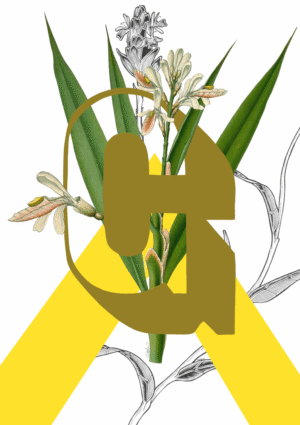
G is for Ginger. Ginger is of course mostly known for its root rather than its surprisingly beautiful flowers. Ginger root is a popular spiced and widely used in folk medicine. While red ginger flowers symbolise fiery passion White ginger and the plant as a whole represents strength, prosperity and diversity in personality. The Botanical…
-
£12.50 – £55.00Price range: £12.50 through £55.00
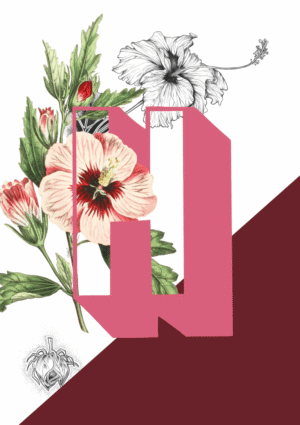
H is for Hibiscus. There are several hundred different Hibiscus flowers, all are stunning in nature and attract butterflies, bees and hummingbirds. All are native to warm, tropical and subtropical regions. In Victorian floriography the Hibiscus symbolises acknowledging the recipients delicate beauty. The Botanical Alphabet is inspired by old scientific botanical illustrations and categories of…
-
£12.50 – £55.00Price range: £12.50 through £55.00
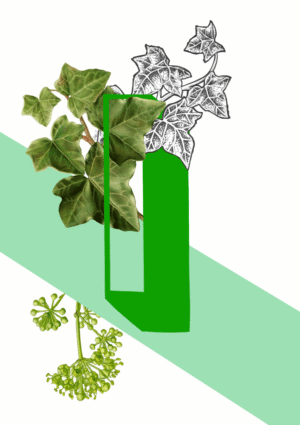
I is for Ivy. Ivy is a type of evergreen plant. Due to the way it grows in winding ways around living in and inanimate objects it symbolises eternal life, as well as love and friendship. In Ancient Rome it was thought that a sprig of ivy would stop people from getting drunk….if only… The…
-
£12.50 – £55.00Price range: £12.50 through £55.00
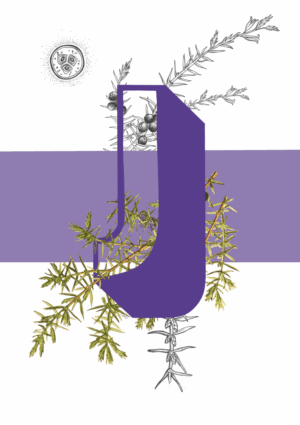
J is for Juniper. Best known for their part in producing gin, juniper berries are also used in many countries to make sauces and accompaniments to game meat and traditional dishes. The Botanical Alphabet is inspired by old scientific botanical illustrations and categories of olden day Explorers and Naturists. Paired with modern outlined sans serif…
-
£12.50 – £55.00Price range: £12.50 through £55.00
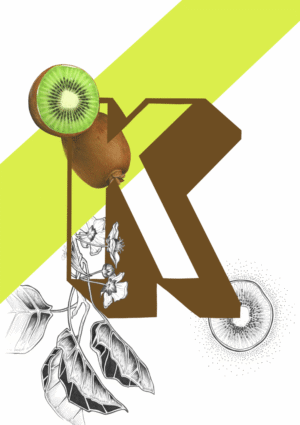
K is for Kiwi. While we nowadays associated the kiwi fruit more with New Zealand, it is actually native to central and south East China. The Botanical Alphabet is inspired by old scientific botanical illustrations and categories of olden day Explorers and Naturists. Paired with modern outlined sans serif letters and bold colour blocks, it…
-
£12.50 – £55.00Price range: £12.50 through £55.00
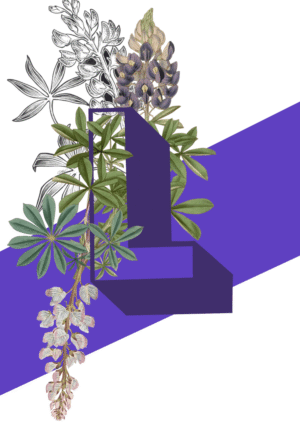
L is for Lupin. Lupins symbolise imagination, admiration, and overall happiness. There are over 199 varieties of the plant. From some of these the seeds can and have been used as food and are still grown as an alternative to soy beans. The Botanical Alphabet is inspired by old scientific botanical illustrations and categories of…
-
£12.50 – £55.00Price range: £12.50 through £55.00
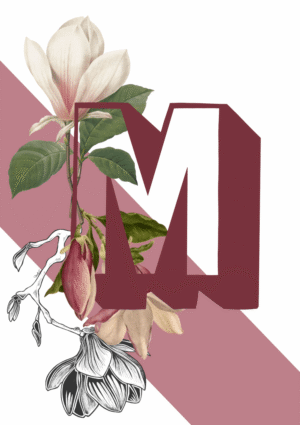
M is for Magnolia. I flower symbolism the Magnolia stands for the love of nature. The plant is ancient and has been around before bees appeared. Fossils as old as 20 million years have been discovered. The Botanical Alphabet is inspired by old scientific botanical illustrations and categories of olden day Explorers and Naturists. Paired…
-
£12.50 – £55.00Price range: £12.50 through £55.00
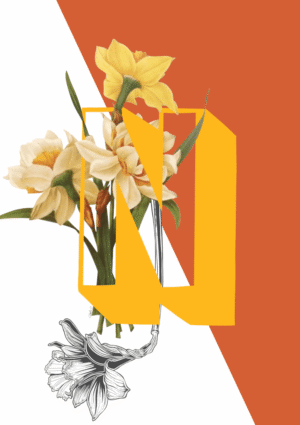
N is for Narcissus. Narcissus were well known even in ancient civilisations. Most would recognise the name from the Greek myth of the young man who fell in love with his own reflection. The Narcissus symbolises good wishes, faithfulness and respect. The Botanical Alphabet is inspired by old scientific botanical illustrations and categories of olden…
-
£12.50 – £55.00Price range: £12.50 through £55.00
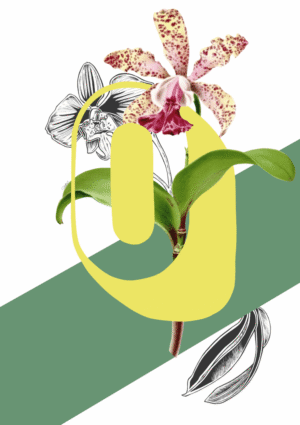
O is for Orchid. Orchids come in a huge variation of shapes and sizes with an astounding 28000 species. While in Ancient Greek some were associated with virility, the also symbolise luxury, beauty and strength. The Botanical Alphabet is inspired by old scientific botanical illustrations and categories of olden day Explorers and Naturists. Paired with…
-
£12.50 – £55.00Price range: £12.50 through £55.00
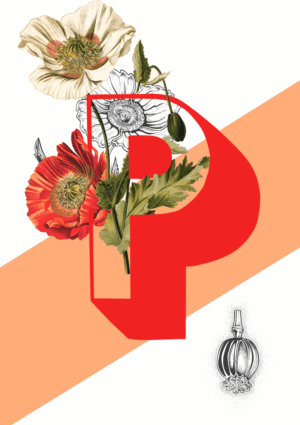
P is for Poppy. Apart from the plant’s infamous analgesic and narcotic properties, it also symbolises remembrance, sleep, and peace. The Botanical Alphabet is inspired by old scientific botanical illustrations and categories of olden day Explorers and Naturists. Paired with modern outlined sans serif letters and bold colour blocks, it has a much more contemporary…
-
£12.50 – £55.00Price range: £12.50 through £55.00
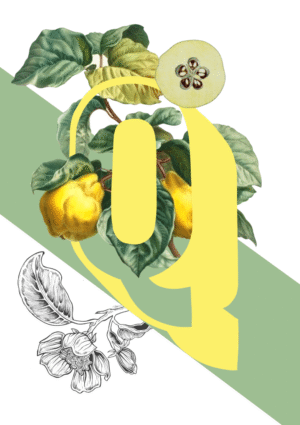
Q is for Quince. The quince fruit is a striking yellow colour colour and while some species can be eaten raw most require some form of cooking. It is incredibly versatile and can be turned into jelly, drinks and even “quince cheese” which is not cheese at all but a hard paste in loaf shape…
-
£12.50 – £55.00Price range: £12.50 through £55.00
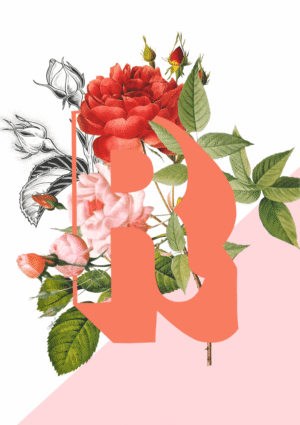
R is for Rose. In the Victorian times and the language of flowers called Floriagraphy, Roses had many different meanings: Red: I love you Yellow: Friendship, Joy White: Innocence, Charm Pale Pink: Grace Dark Crimson: Mourning Dark Pink: Thankfulness …and many, many more! The Botanical Alphabet is inspired by old scientific botanical illustrations and categories…
-
£12.50 – £55.00Price range: £12.50 through £55.00
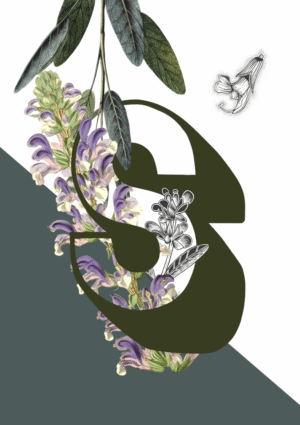
S is for Sage. Sage has had an epic list of miraculous attributes and and properties assigned to it over the history of humankind. From being able to ward off evil in the Middle Ages, to increasing women’s fertility, frequently used in rituals. For the Roman’s it was a holy herb. Later it was widely…
-
£12.50 – £55.00Price range: £12.50 through £55.00
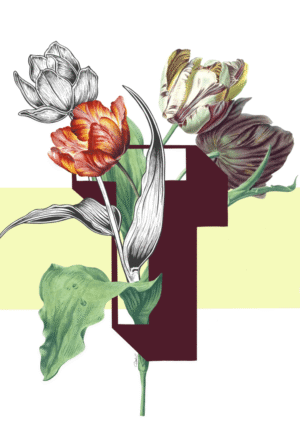
T is for Tulip. Synonymous with Dutch tulip fields and windmills, tulip cultivation started in Persia in the 10th century. Tulip petals are edible while the bulbs are not recommended and very possibly toxic to some level. In Victorian floriography the meaning of tulips depends on colour. White: I am worthy of you Red: declaration…
-
£12.50 – £55.00Price range: £12.50 through £55.00
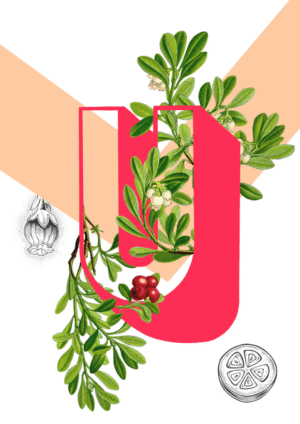
U is for Uva Ursi. Uva Ursi literally means grape of the bear, as the fruit is commonly eaten by…you guessed it – bears! Native Americans called the plant Kinnikinnick meaning smoking mixture because mixed with other bits and bobs was used to smoke in pipes. The plant was also used in traditional medicine. The…